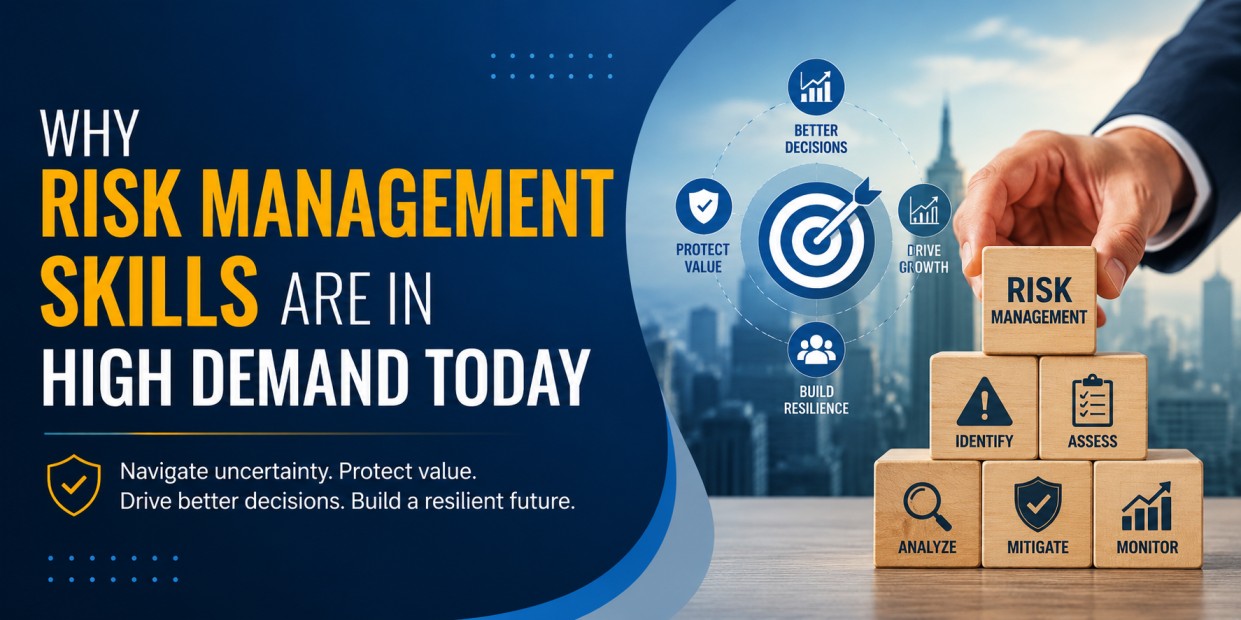
Why Risk Management Skills Are in High Demand Today
Every company deals with risk to some degree. Each day brings new challenges to companies through fluctuating markets, new regulations, and unforeseen disruptive events. Due to this unpredictability, companies hire employees capable of managing risk, making it an essential and profitable skill to have.
Increase in Unpredictable Events
Look at the incidents that have occurred globally in the last 3 years: a world-wide pandemic, supply-chain issues, a banking crisis, and a war. Risk management professionals foresee and remedy an issue before it becomes a crises.
It is a misconception that risk management is only preventative. Risk management assists in a company's growth strategy risk optimization. The goal is not to eliminate risk, but to strategically manage it.
Growth and Expansion of Risk Management Demand
The sudden onslaught of demand for risk management professionals can be attributed to a handful of industries:
-
Banking and Finance: Increased scrutiny requires banking staff be able to assess credit risk, market risk, and the risk of noncompliance.
-
Healthcare: Increasing concerns for patient welfare combined with compliance and risk management of data.
-
Technology: Every technology staff requires risk management professionals to combat cybersecurity risks.
-
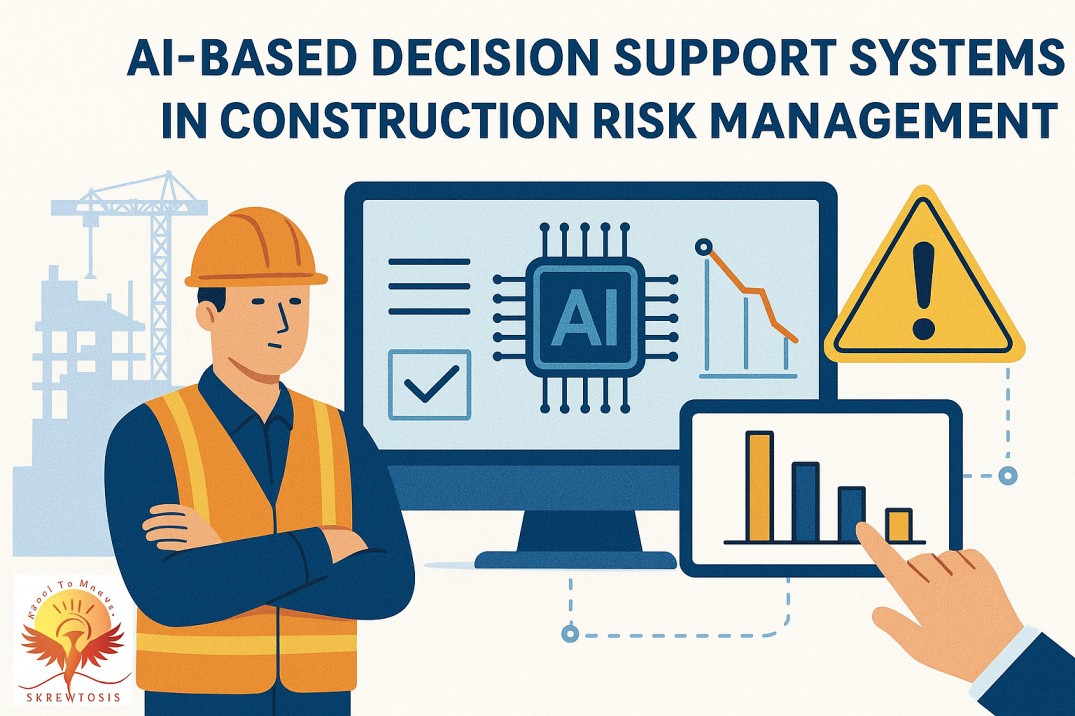
Construction and Energy: Significant delays and cost overruns of projects have created a demand for risk management.
Even five years ago, it wouldn't have been expected for a startup to hire a risk advisor. Now, it is common.
Risk Management is for Everyone
Now, risk management is widespread and not just limited to those in corporate job.
Entrepreneurs and small business owners understand that risk management is important for them as well. Poor hiring, an unfavorable contract, or losing control of cash flow are all risks that require management in a business.
This is probably why so many professionals have started taking Financial Risk Management Courses. Young people and older, experienced managers have something to gain from these courses, especially since many offer us learning in ways that we might not have in a real-life setting.
Risk Management and What Employers Seek
Risk management positions do not only require managing spreadsheet input for jobs. They involve risk management in a more complete capacity, such as:
-
Recognizing risks in advance
- Constructing plans for risk reduction and management
- Maintaining a level head in challenging risk situations
- Knowing the importance of assessing and collecting both data and non-structured information
There is equal importance placed on both analytical and soft skills. No one appreciates a brilliant risk analysis that can't be communicated to a non-technical CEO, just as no one appreciates a risk plan that is not supported by data.
Qualifications Are More Attainable Than Ever
You don't have to wait years to break into this line of work. A good Financial Risk Management Course gives you tools to understand how to deal with professional problems facing the industry. You'll have something valuable to talk about with your future employer.
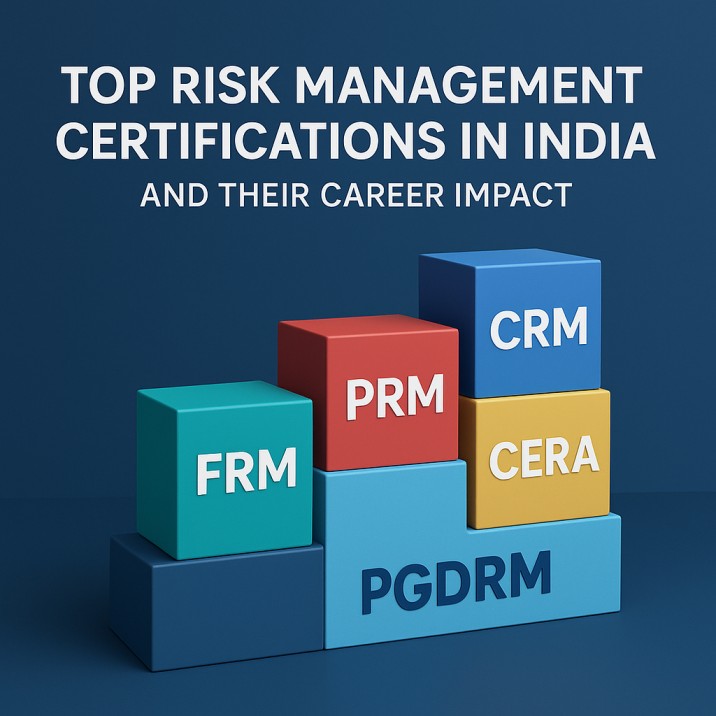
By signing up with GARP, or any other professional body, you will receive internationally appreciated certifications.
FAQ
Q: Is risk management only for finance professionals?
Not really. Risk management can be used in healthcare, tech, construction, government, and beyond.
Q: How long does it take to become a risk management professional?
If you spend only a couple of months in serious study, you will gain a lot of fundamental knowledge about this domain.
Q: Do risk managers earn well?
Indeed — risk managers are among the highest-paid professionals in every industry.
Q: Can I study risk management without having a business degree?
Definitely. Risk management is a field with various successful professionals who have come from completely unrelated backgrounds.
Concluding Points
The presence of risk is a universal constant that will always be around - most likely, increasing. Professionals that understand and can manage this risk find themselves highly valued. Making investment decisions in building risk management skills to switch careers, advance in one's current position or improve decision-making capability is very wise.
Read More: Why Financial Risk Management Certification Courses Are in High Demand
.jpg)
.jpg)
.jpg)
.jpg)
.jpg)