Key Subjects Covered in a Risk Management Certification Program
Risk management focuses on minimizing losses and maximizing returns to provide value to an organization and its shareholders. With the ever-changing risks arising from geopolitics and technological advancements, organizations need strong risk management policies and practices. Completing a Risk Management Certification Program is beneficial to those wanting to manage an organization’s risks efficiently and minimize potential losses the organization might face. Moreover, understanding how to manage risks improves value and returns on investments, therefore boosting an individual’s career potential and performance in compliance and risk management.
The following outlines the importance of the key components within a risk management certification program.
- Risk Management Fundamentals
The fundamentals of risk management approach includes understanding the pillars and core structures of risk management. Attendees get exposed to the different types of risks, which includes credit and market, operational, liquidity, and reputational. Moreover, study the processes of risk identification and risk classification.
Key Learning Areas:
- Understanding the risk management process.
- Risk identification and assessment techniques.
- Risk control and mitigation strategies.
- Enterprise Risk Management (ERM) frameworks.
2. Quantitative Analysis for Risk Assessment
The application of quantitative techniques lies at the core of modern risk management. This course covers the mathematical and statistical frameworks for assessing and forecasting risk. Students will learn the application of probability theory, different statistical distributions, regression analytics, and various simulation methods for assessing risk and forecasting associated uncertainties.
Key Learning Areas:
- Probability and statistics for risk modeling.
- Value at Risk (VaR) and stress testing.
- Scenario analysis and Monte Carlo simulations.
- Financial modeling using Excel or specialized tools.
These quantitative techniques will enable professionals to evaluate risk with high precision and support them in making appropriate risk-related decisions.
- Financial Markets and Instruments
Risk management in the investment and banking industries requires a solid understanding of financial markets and instruments. This module analyzes an array of financial instruments, including bonds, equities, derivatives, and structured products, and how they serve both the purposes of investment and risk management.
Key Learning Areas:
-
Comprehension of capital and money markets
-
Securities and derivative instruments pricing
-
Strategic hedging with forwards, futures, options, and swaps
-
Market and interest rate risk management and risk management
- Credit Risk Management
One of the most pressing problems with financial institutions is credit risk. This subject teaches learners the fundamentals of assessing a borrower’s ability to repay and the management of exposure through credit policies, ratings, and diversification.
Key Learning Areas:
-
Credit ratings systems and scoring models
-
Credit exposure and counterparty risk
-
Management of loan portfolios
-
Regulatory Capital (Basel III)
5. Operational and Enterprise Risk
Operational risk is the result of internal defeats, such as a system breakdowns, a human error, and breaching of corporate compliance. This subject teaches systems, corporate governance structures, and the controls needed to minimize such risk.
Key Learning Areas:
-
Operational risk identification and mapping
-
Business continuity and disaster recovery
-
Internal control and audit systems
-
Risk governance and compliance
6. Regulatory and Compliance Frameworks
In a globalized world of regulatory scrutiny, professionals need to comprehend the implications of compliance on risk management. This module describes the legal, ethical, and regulatory frameworks managing risk at the corporate level.
Key Learning Areas:
• Regulatory bodies in India and abroad (e.g., RBI, SEBI, Basel Committee)
• Antimoney laundering guidelines and related Know Your Customer policies
• Risk disclosure and reporting standards
• Business ethics and corporate governance
7. Risk Management Tools and Technology
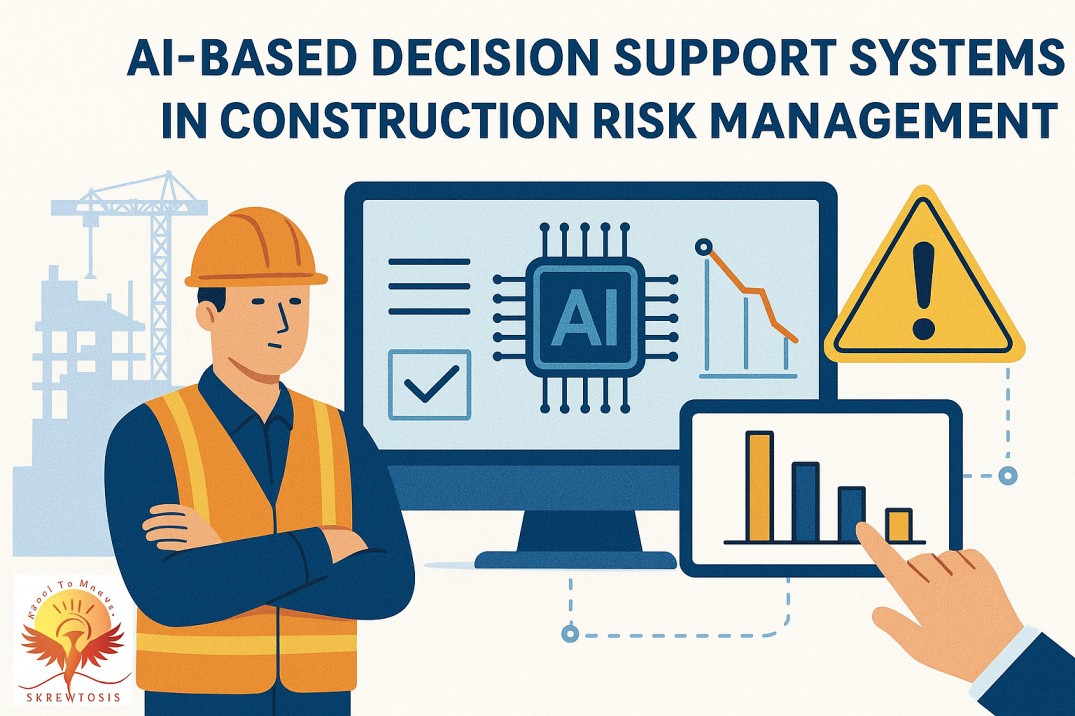
Technology is indispensable in modern risk management, and this subject aims to cover the fundamentals of risk management in terms of risk predictive analysis and the tools used (analytical software, visual and business intelligence tools, and AI predictive models).
Key Learning Areas:
• Risk predictive analytics and dashboard tools
• Business intelligence tools for data presentation
• Risk prediction using machine learning
• Management of cyber risks and information security
Conclusion
A Risk Management Certification Program provides foundational training on how to detect, evaluate, and manage risks across multiple domains. The balance of the theory and the practical case studies prepares learners to face the practical risks with the necessary competence. If you are a banker, a financial analyst, an auditor or a corporate strategy maker, the command of the major disciplines will boost you the most in the career path you have chosen.
Acquiring this certification helps one gain tactical prowess and also the skill of strategic planning, a vital trait for managerial positions, particularly in the finance and risk management domains.
FAQs
Q1. Who should take a Risk Management Certification Program?
Professionals in banking, finance, audit, insurance and corporate strategy would gain by far the most. The most pertinent to this group are those targeting positions in risk compliance, credit assessment, and enterprise risk management.
Q2. What is the duration of a Risk Management Certification?
Typically, to complete these programs, one would take anywhere between 3 to 6 months which is dependent on the providing institution and the method of instruction, online or in-person.
Q3. What are the career opportunities after completing the program?
Risk Analysts, Compliance Officers, Credit Risk Managers, Operational Risk Consultants, and Financial Risk Specialists are some of the possible career paths.
Read More: Top Courses to Expect in a Financial Engineering Program

.jpg)
.jpg)
.jpg)
.jpg)
.jpg)