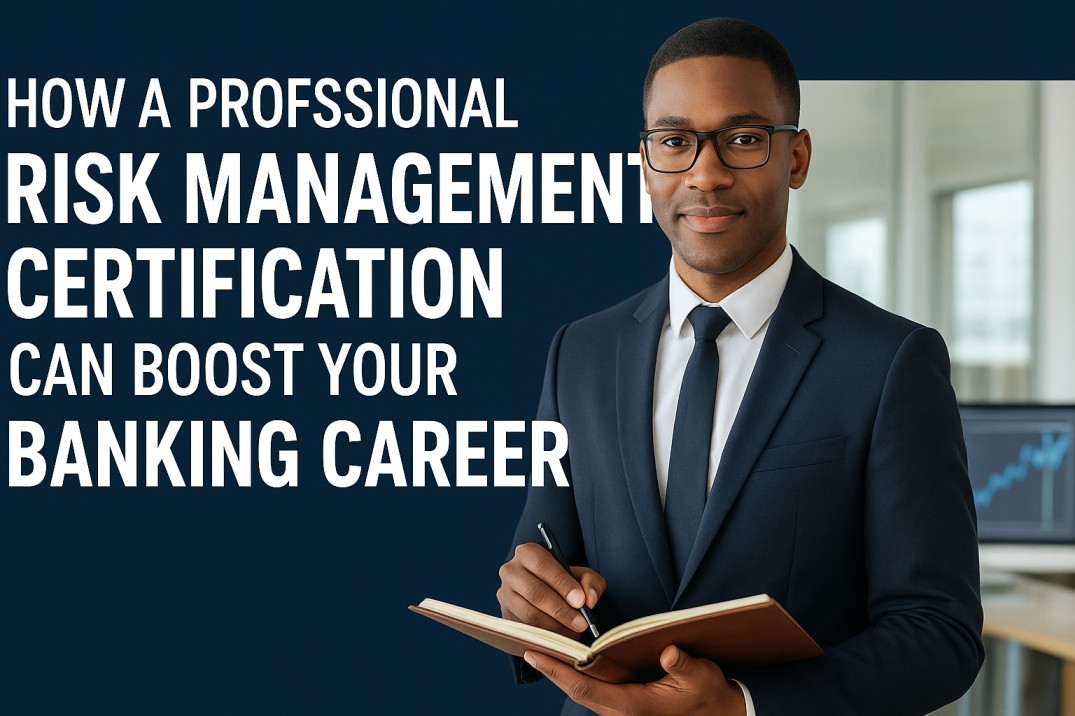
How a Professional Risk Management Certification Can Boost Your Banking Career
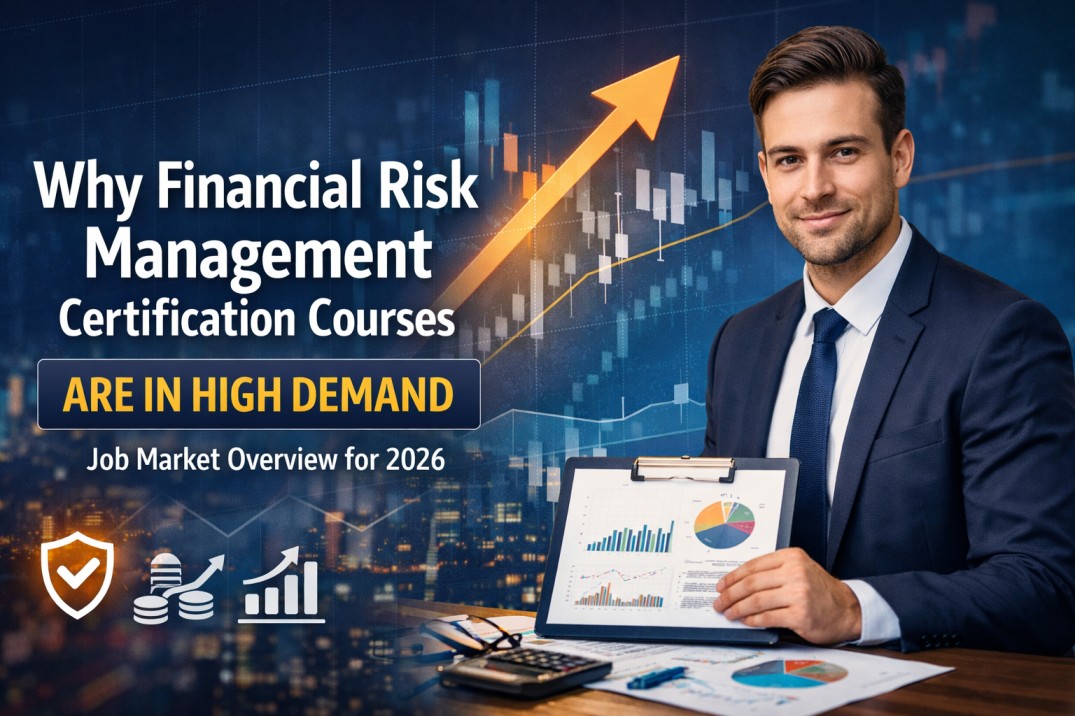
Risk management is now one of the most important functions of the banking sector due to the fast-changing environment we find ourselves in today. Factors such as cyber security concerns, operational risks, and global market risks have banks under constant surveillance. Hence the demand for certified risk professionals is very high and such individuals are able to assess risks, shield banks’ assets, ensure compliance, and improve the overall decision-making process.
Having a Professional Risk Management Certification demonstrates your abilities and expertise and shows that you are a trustworthy figure in the banking sector and that you can tackle the challenges modern banking poses. It does not matter whether you are a junior banker or a banker with considerable experience and expertise who wants to fast-track your career as this certification is a key to your career advancement.
Importance of Risk Management Certification in Banking
- Boosts Professional Reputation
Banking professionals who can reliably demonstrate knowledge in risk identification, risk assessment, and risk mitigation are highly sought after in the banking environment. Getting a risk management certification streamlines the job search process as you get recognized for meeting the rigorous standards of the risk management industry and have completed competent training.
- Access to Specialized Employment Opportunities
Risk management professionals are able to qualify for various positions such as:
- Credit Risk Analyst
- Market Risk Specialist
- Operational Risk Manager
- Compliance Officer
- Risk Modeling Analyst
- Internal Auditor
Such positions have multiple benefits such as better salaries, managerial roles, and long term career benefits.
- Keeps You Competitive in a Rapidly Changing Industry
Banking regulations and financial threats improve continuously. Certifications keep your knowledge updated in areas such as:
-
Basel guidelines
-
Stress testing
-
Financial risk modeling
-
Cyber and operational risks
-
Regulatory compliance
The knowledge gained through these trainings is important as you advance in your career in banking.
- Improves Analytical and Decision-Making Skills
Risk management training sharpens your ability to analyze data, evaluate uncertainties, and make rational decisions, skills that are in demand in banks for managerial positions.
- Boosts Earning Potential
Risk certified professionals are paid significantly higher than their colleagues. This is usually due to the additional duties and the specialization of their role, which are in high demand.
How a Risk Management Certification Helps You Grow in Banking
-
Assists you in moving to risk-oriented divisions (like credit, compliance, treasury).
-
Gives you a better chance for internal higher positions and during job interviews.
-
Helps you transition to global banking positions, especially in large international banks.
-
Makes you a valuable team member during audits, regulatory scrutiny, and internal risk assessments.
In conclusion, this certification elevates you from a standard banking employee to a vital member of your company.
How www.skkewtosis.com
Can Help You
supports professionals in the banking domain by providing services, blogs, educational materials and information pertaining to finance, risk management and financial engineering. It helps in the following ways:
? Quality Learning Content
The site provides articles, descriptions and educational blogs on risk management models and frameworks, and provide explanations in simple language, constituting entry-level and intermediate material.
? Course Suggestions & Career Guidance
It aids in appropriate certification program scouting in the domain and provides understanding on program fitment against your banking career goals.
? Industry Relevant Updates
Skkewtosis provides the knowledge, from global financial trends to regulatory updates, that will help you in risk roles and assist you to stay current in the field.
? Skill Building Support
The site provides with knowledge of quantitative methods, financial engineering and risk management, and provides value to further your education post program completion.
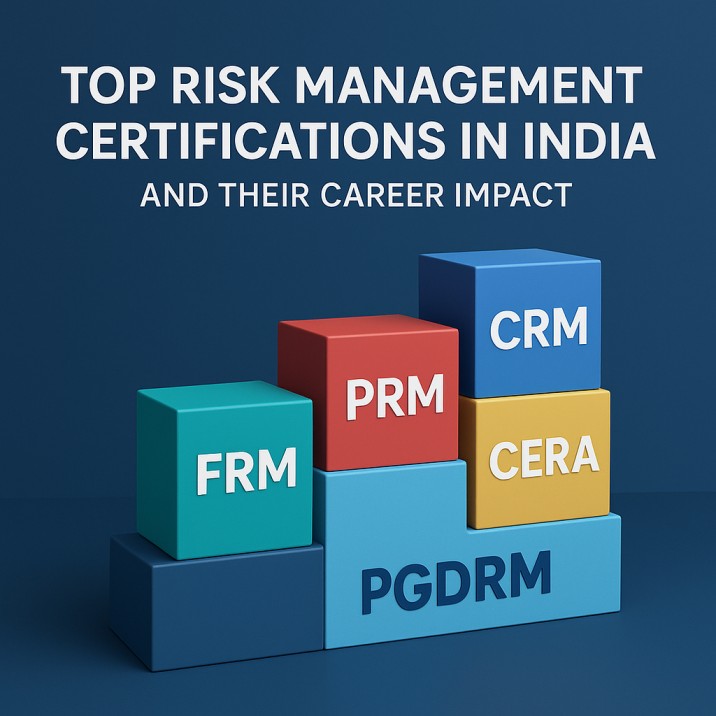
If you are pursuing risk management in banking certificates like FRM, PRM, CRM, etc, Skkewtosis will be a valuable asset in your education process.
Most Common Questions
- Who should pursue a Risk Management Certification?
Bankers in specialized risk positions who are looking to move from roles in credit management, Treasury, operation audit, compliance, branch management, etc.
- What are the most pursued certifications by bankers?
The most pursued are FRM, PRM, CRM, ORM and Banking Risk & Compliance programs.
- Is risk management a good long-term career?
Definitely! Managing risks is a continuous activity undertaken by banks, therefore risk roles are always highly sought after.
- Is it possible for beginners to secure a position in risk management after obtaining a certification?
Certainly. Positions like risk analyst, compliance executive, or credit analyst are great entry-level opportunities.
- In what ways can this certification assist in advancing one's career?
It showcases exceptional proficiency, as well as a set of skills that are crucial for bank management and executive roles.
.jpg)
.jpg)
.jpg)
.jpg)
.jpg)